

 Tiếng Việt
MDF, also known as Medium-Density Fiberboard, has become a popular material in the interior design industry. With its versatility and diverse applications, it can be a good choice for many design projects. Let’s explore the advantages of MDF and how it’s widely used in interior design with 3A Design.
Advantages of MDF Wood
It has many outstanding advantages, making it an ideal choice for use in furniture and decorative products.

Durability and Stability
MDF (Medium Density Fiberboard) is manufactured from natural wood fibers compressed under high pressure using heat-resistant adhesives. As a result, it offers excellent durability and dimensional stability, with strong resistance to shrinking and warping. MDF is less prone to deformation or cracking under changes in weather or humidity, ensuring long-term stability throughout its lifespan.
Easy Fabrication and Processing
MDF is known for its high flexibility and excellent workability, making it easy to cut, drill, and shape. This allows it to be manufactured into a wide variety of forms, sizes, and detailed designs. Compared to solid wood, MDF is easier to process, enabling the creation of customized interior and decorative products that meet diverse design requirements.
Excellent Surface Finish
MDF wood surfaces are smooth and flat, without any knots or bumps. This makes painting, coating, and finishing easier and allows for better paint absorption and retention, resulting in a high aesthetic appeal.
Affordable Price
Compared to natural wood, MDF wood is significantly cheaper. This makes it an economical and suitable choice for many consumers, while still ensuring product quality and aesthetics.

Environmental Protection
MDF wood is produced from recycled and sustainably sourced wood fibers, helping to reduce negative environmental impact. Its use contributes to forest conservation and supports ecological balance, making MDF a more environmentally responsible choice in interior design.
Uses and Applications of MDF in Interior Design
Applications
One of the key advantages of MDF lies in its versatility in design and fabrication. Thanks to its flexibility and excellent cutting, drilling, and processing capabilities, MDF can be crafted into a wide range of shapes, sizes, and detailed forms.
It can be shaped into curved surfaces, beveled edges, or perforated panels, allowing designers to create diverse and distinctive interior products. This adaptability makes MDF an ideal material for furniture, decorative elements, and modern interior finishes.
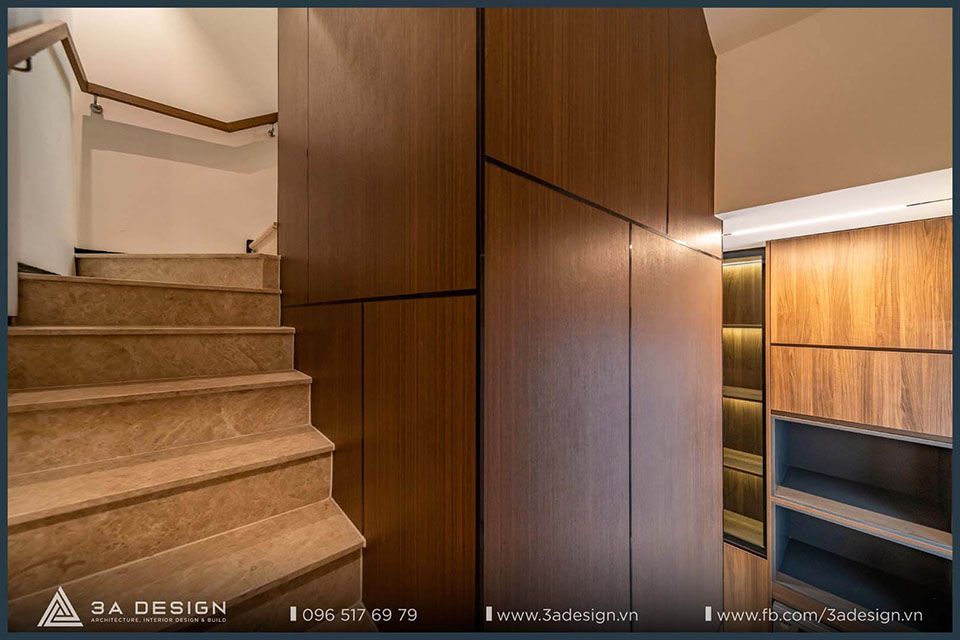
MDF wood also has the ability to create a smooth and flat surface, making painting, coating, and finishing easier. The wood surface is free of knots or bumps, allowing for the creation of glossy, smooth, and uniform surfaces. This makes it an ideal choice for decorative furniture products such as cabinets, bookshelves, tables, chairs, and partition panels.
Applications
Beyond interior furniture, MDF is also widely used in construction. Thanks to its flexibility and good load-bearing capacity, it is commonly applied in elements such as partition walls, ceilings, wall cladding, and doors. MDF surfaces can also be painted, illustrated, or covered with decals, allowing the creation of decorative panels, images, or uniquely styled design features with refined aesthetics.
With its strong resistance to shrinking and warping, MDF is an excellent material for large-scale interior and decorative products such as dining tables, TV cabinets, and bookshelves. It offers reliable weight-bearing performance and long service life, ensuring stability and durability throughout extended use.
Conclusion
If you are looking for a beautiful, durable, and affordable interior material, then MDF wood is a great choice. You can consult 3A Design’s interior design services for advice and to choose MDF wood furniture products that suit your needs and preferences.