

 Tiếng Việt
In recent years, kitchen islands have become an indispensable part of many modern kitchens. They not only offer convenience but also create a comfortable and efficient cooking space. However, not everyone fully understands kitchen islands and their role in the kitchen. Therefore, this article from 3A Design will help you learn more about kitchen island, why they are necessary, and the common types available today.
What is a Kitchen Island?
A kitchen island is a separate cooking area located in the kitchen, usually in the center or a corner of the room. It’s designed to optimize space and provide additional work area, as well as create a convenient cooking hub.
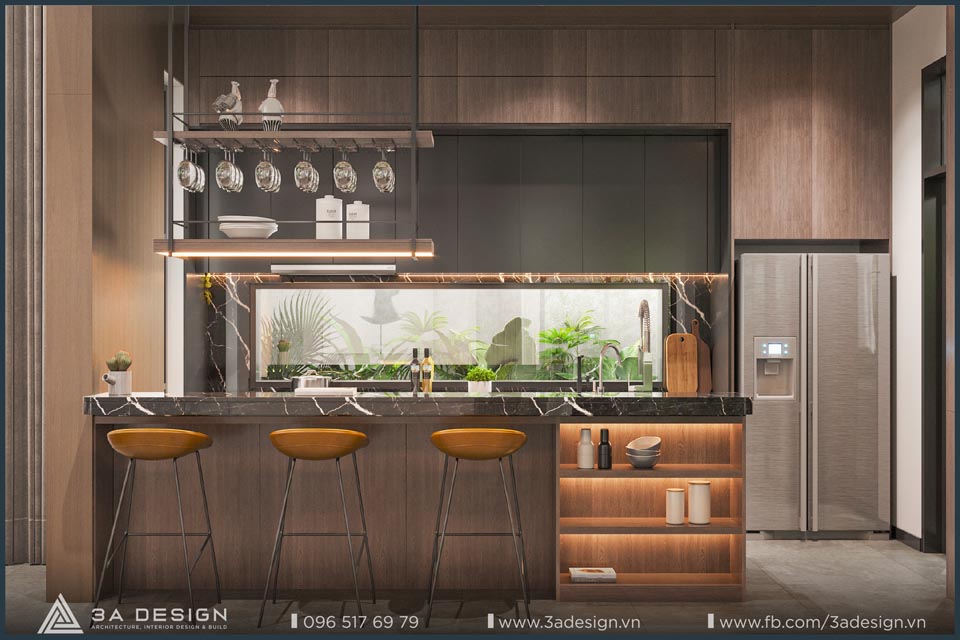
Kitchen islands are typically equipped with appliances such as induction cooktops, gas stoves, sinks, range hoods, and several drawers or cabinets for storing cooking utensils. Additionally, the island surface can also be used as a dining or work area.
Is a Kitchen Island Really Necessary?
After learning about kitchen islands, the next question many people ask is: Is a kitchen island really necessary? To answer this question, we need to consider the following factors:
Kitchen Size and Area
The size and area of the kitchen are important factors in determining whether a kitchen island is necessary. In larger kitchens, kitchen islands often offer many benefits, such as increased workspace, a central cooking area, and improved aesthetics.
However, for smaller kitchens, a kitchen island may reduce movement space and the overall feeling of comfort. In this case, other solutions such as using freestanding cabinets or a built-in work desk might be more suitable.
Usage Needs
If there are many people in the family who cook regularly, or you often host family gatherings, installing a kitchen island will offer many benefits. It will increase workspace and allow more people to participate in cooking activities.
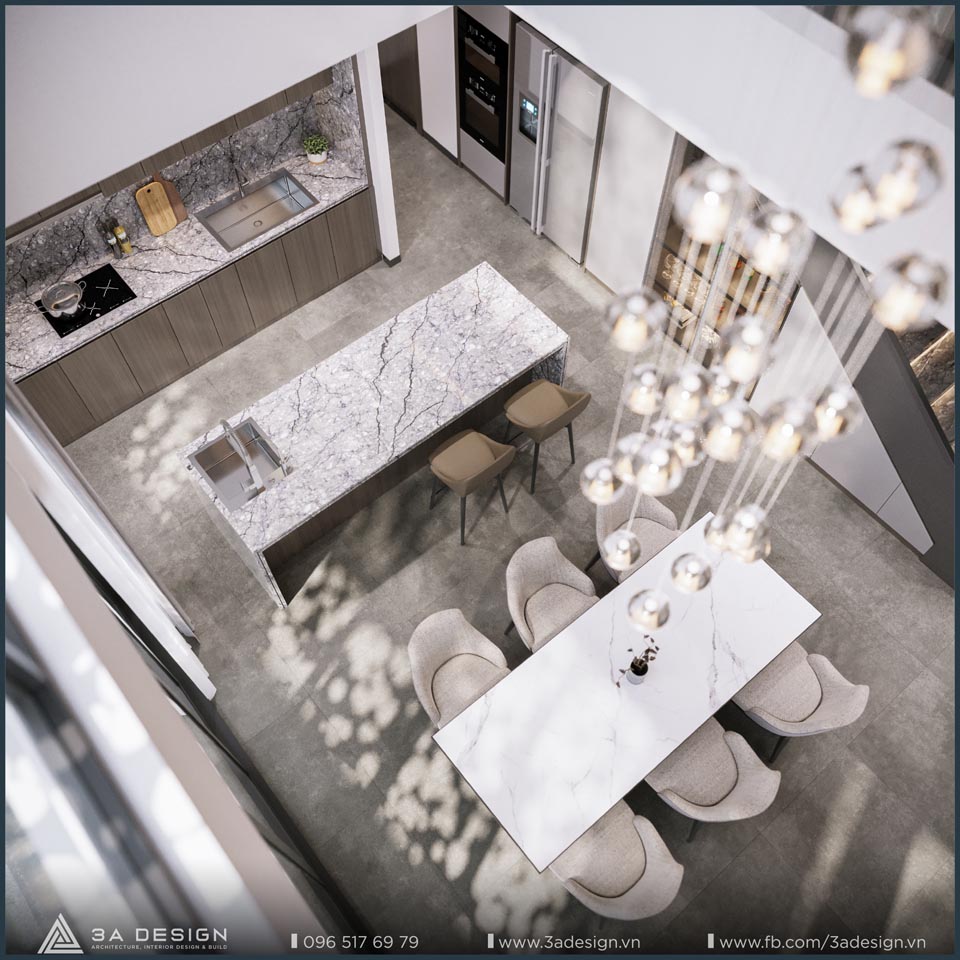
Conversely, if your family only has one or two people who cook, and you don’t often host large parties, then a kitchen island might not be the optimal choice. In this case, a traditional kitchen cabinet layout or a small work desk might suffice.
Investment Costs
Installing a kitchen island typically requires a significant investment. This includes design, construction, as well as the cost of equipment and finishing. Therefore, if your family’s budget doesn’t allow it, choosing an alternative kitchen solution would be more reasonable.
In short, a kitchen island isn’t an absolute necessity in every kitchen. The decision of whether or not to install one depends on many factors, including the size of the kitchen, usage needs, and your family’s financial capabilities. You need to carefully consider these factors before making a final decision.
Popular Types of Kitchen Islands Today
Currently, there are many different types on the market, each with its own advantages and disadvantages. Below are some popular types of kitchen islands that you should consider:
Square/Rectangular Type
This is the most common type of kitchen island, usually square or rectangular in shape. Its advantage is that it creates a spacious workspace, convenient for cooking and preparing ingredients. It also easily integrates with kitchen appliances such as induction cooktops, sinks, and range hoods.
However, this type of kitchen island can take up a lot of space, especially in kitchens with limited space. Additionally, moving around it can be more difficult.
L-shaped kitchen island
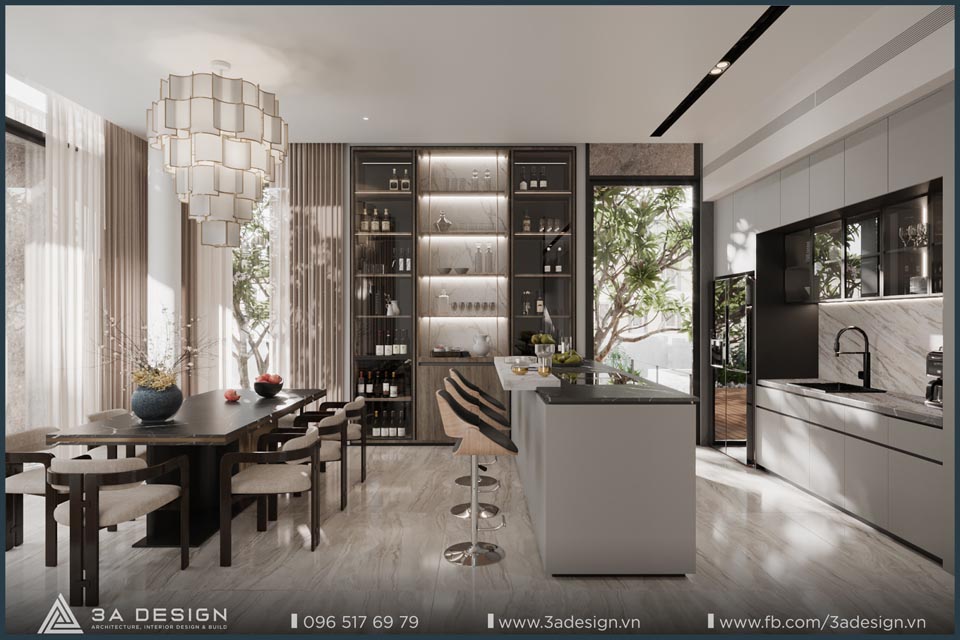
This is a variation of the square/rectangular kitchen island. It has a right angle, which optimizes space and creates more work areas. This type is often used in medium to large kitchens.
The advantage of an L-shaped kitchen island is that it doesn’t take up too much space, but still provides ample work area. Additionally, the right angle design enhances aesthetics and showcases creativity in kitchen design.
U-shaped kitchen island
A U-shaped kitchen island is a great option for large kitchens. It surrounds three sides, creating a spacious work area and more storage.
Its advantages include providing ample workspace, as well as separating the cooking, dishwashing, and preparation areas. However, this type can take up a lot of space, so it’s only suitable for kitchens with plenty of room.
Round/Oval Type
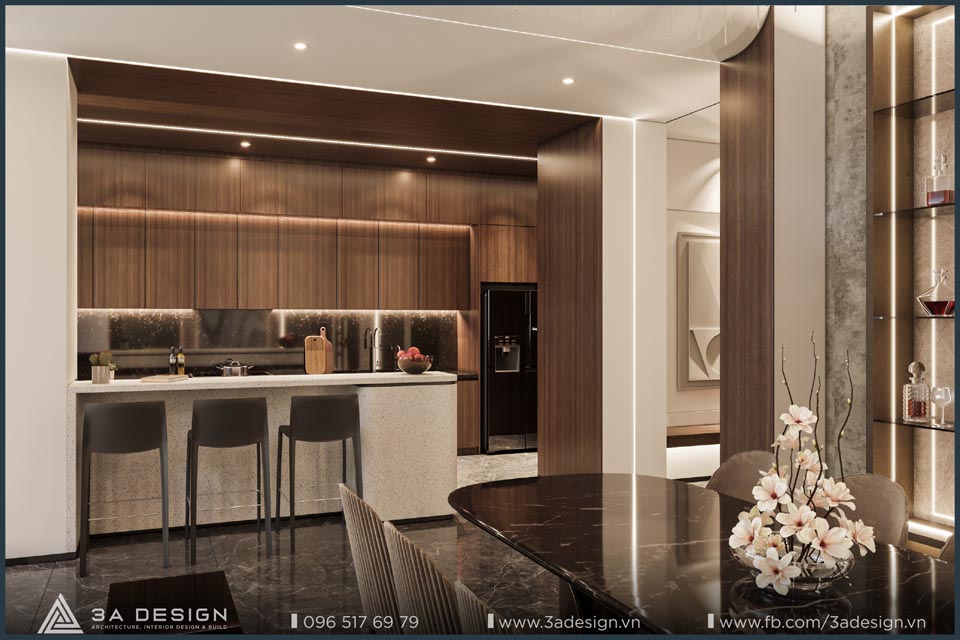
Round or oval kitchen islands are a unique and aesthetically pleasing option for the kitchen space. This type is often used in modern or contemporary kitchens.
The advantage is that it creates a flexible cooking space with multiple work areas. The curved design also enhances the aesthetics and uniqueness of the kitchen. However, this type of kitchen island may not be suitable for kitchens with limited space.
Mini Kitchen Island
For small kitchens, a mini kitchen island is a great option. They are usually compact in size, yet still provide extra workspace and storage.
The advantage is that they don’t take up too much space, but still help optimize kitchen space. They can also be designed flexibly, with many drawers and storage areas. However, this type of kitchen island may limit the number of kitchen appliances that can be installed.
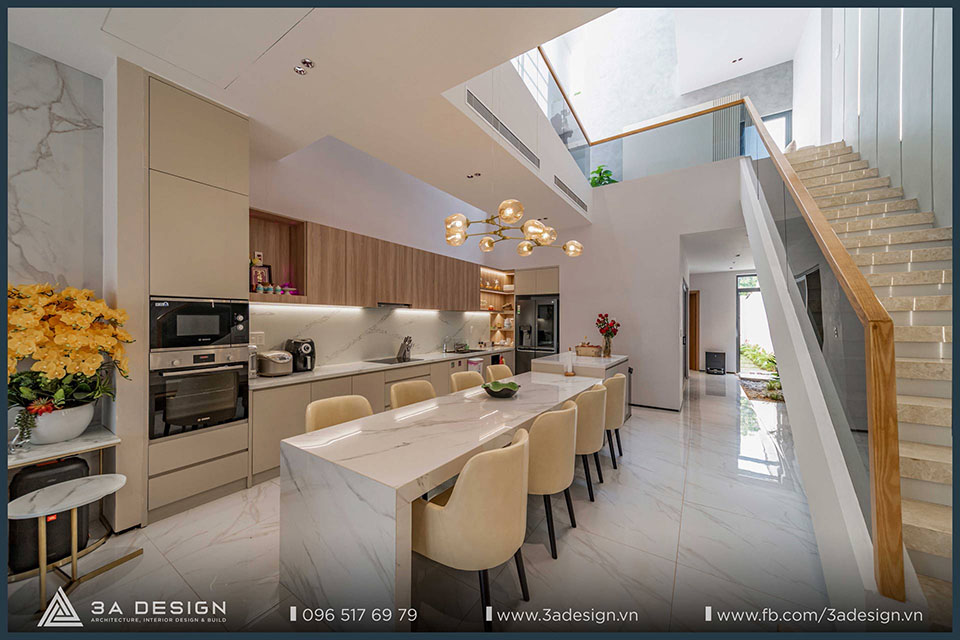
In addition to the popular kitchen island types mentioned above, the market now offers many unique and luxurious designs, from kitchen islands with attached dining tables, islands with integrated refrigerators, to islands with dedicated coffee areas. Choosing the right kitchen island will depend on your needs, kitchen space, and desired design style.
Some Important Considerations When Designing a Kitchen Island
When designing a kitchen island, there are several important factors to consider to ensure that your island is not only aesthetically pleasing but also functional and suitable for your needs. Here are some important design considerations:
Size and Shape
Determining the size and shape of the kitchen island is crucial. You need to ensure the island isn’t too large for the kitchen space, and that there’s ample room for comfortable movement around it. Its shape should also harmonize with the rest of the kitchen.
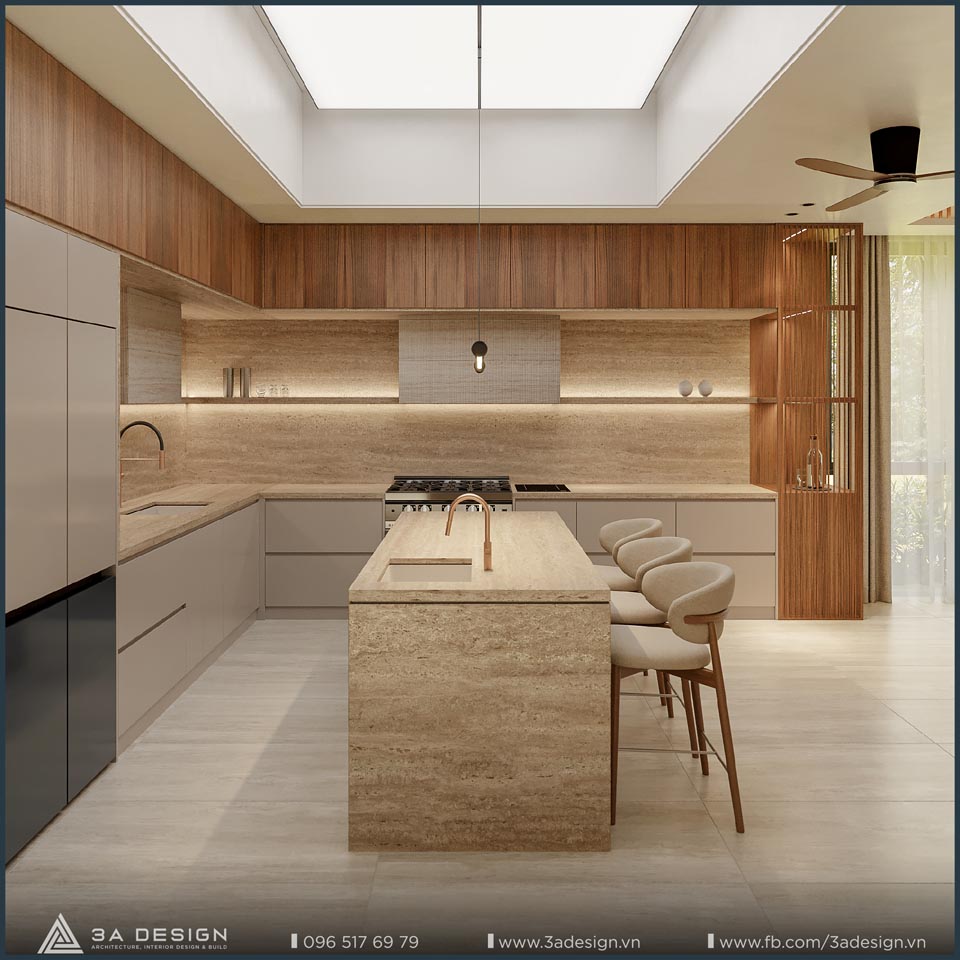
Material Selection
The materials used for the kitchen island also play a crucial role in creating both the beauty and functionality of the kitchen space. Popular materials for kitchen islands include granite, natural wood, stainless steel, or tempered glass. You need to choose a material that suits the design style and is easy to maintain.
Storage Design
A kitchen island is not only a place for food preparation and cooking, but also a storage space for essential kitchen utensils. Therefore, designing drawers, shelves, and a built-in refrigerator into the kitchen island is essential. This optimizes space and provides convenience during use.
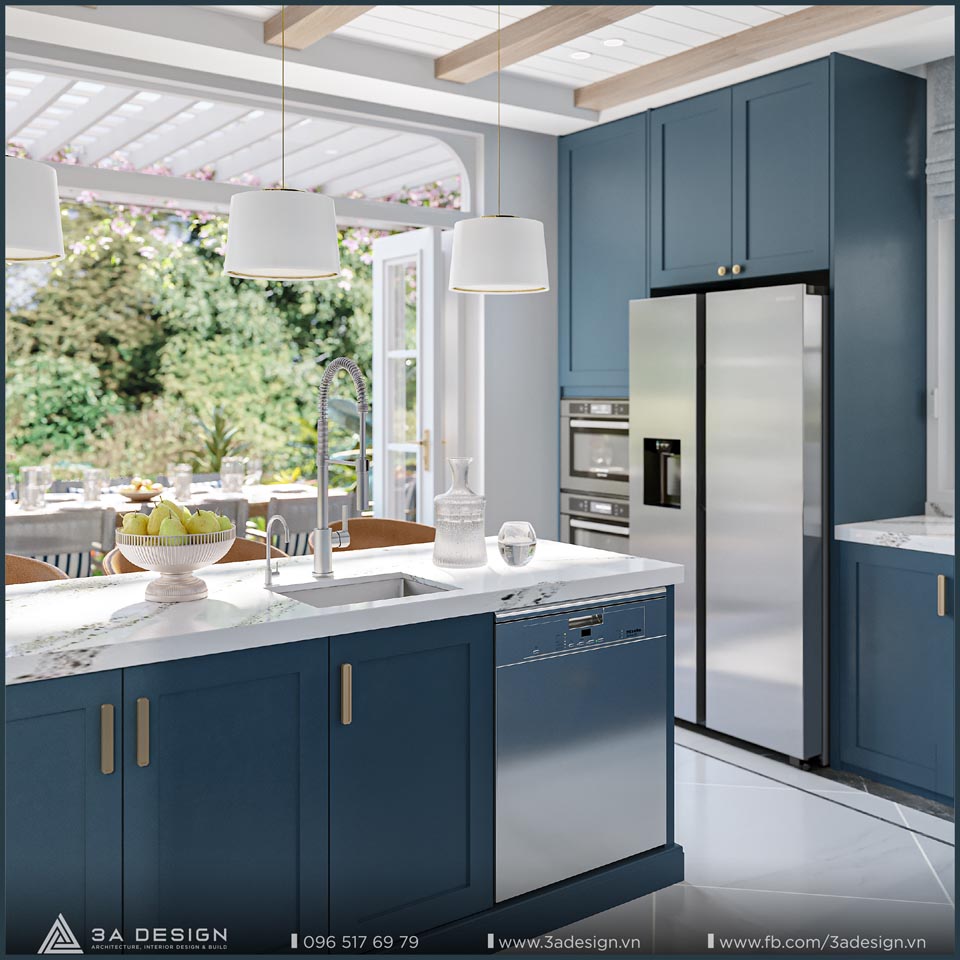
Lighting
Lighting is an essential element in kitchen island design. You need to ensure that the workspace is adequately illuminated, and also consider using warm-toned lighting to create a comfortable and cozy atmosphere in the kitchen.
Convenience and Features
Finally, you should also consider the conveniences and features you want your kitchen island to have. This could include an integrated induction hob, a double or triple sink, an automatic dishwasher, or bottle racks. Integrating these conveniences into the kitchen island will help optimize space and improve usability.
Conclusion
In conclusion, a kitchen island plays a vital role in elevating both the aesthetic value and the functionality of your culinary space. However, whether installing an island is truly essential depends on various factors, including the kitchen’s dimensions, your specific usage needs, and personal preferences.
If you are considering integrating a kitchen island into your home, look no further than 3A Design – a trusted provider of architectural and interior design services. With our team of highly experienced architects and designers, 3A Design will consult with you to find the most suitable design solution, optimizing your space and delivering the ultimate cooking experience for your family.